Love Languages for Quinn May Wynn (Cromwell-Hastings Series, #2) Publication date: December 2026 Genres: Adult, Contemporary, Romance
A story of: Billionaire Brothers, Family Secrets, Hidden Identity, and Second Chance at Love!
I’m excited to introduce you to Quinn & Magdalaina.
Quinn Cromwell is a workaholic not looking for love. But he is blindsided by his one-night stand with a mysterious woman with multiple accents who complicates his life.
As Quinn and his best friend, Nathaniel Hastings, work together against their greatest business rival, Quinn discovers a connection between this mysterious woman and his rival.
As Magdalaina tries to stay under the radar, her multiple identities emerge, forcing her to deal with her past, answer questions in the present, and determine who she wants to be in her future.
Has Quinn finally met his match? Will he discover his mystery woman’s true identity? What Cromwell Family secrets will emerge?
Author Bio:
May Wynn writes contemporary romance novels known for their emotional depth, engaging characters, and a satisfying happily-ever-after. A lifelong reader, her passion for storytelling began early, inspired by a close mentor who introduced her to a wide range of authors and genres. Together, they shared their own version of a book club before book clubs were even a trend.
After a successful career in the corporate world, May turned her focus to writing, bringing her love of romance to the page. She is an enthusiastic world traveler. She and her husband share a love of culture, history, and adventure, having traveled to more than 60 countries together. She draws inspiration from the places she has visited, weaving them into the stories she creates.
May lives in Florida with her family, where she enjoys writing on her lanai with a latte in hand, surrounded by the beauty of nature.
The Forgotten Bruja Johanny Ortega Publication date: March 16 2027 Genres: Gothic, Horror
Freedom has always meant leaving.
For Isadora Espinal, escape was the only way to survive the life her mother tried to force upon her—a legacy built on silence, blind obedience, and a responsibility Isadora never agreed to carry. So she left Willowshade behind and built a future far beyond her mother’s reach.
Twelve years later, Altagracia Espinal is dead, and Isadora has been summoned home.
What awaits her is not an explanation but a trail of unfinished warnings, fractured family histories, and whispers that seem to seep from the walls themselves, blurring the line between guidance and manipulation. The deeper Isadora searches, the more she suspects her mother’s secrets were never meant to protect the family. They were meant to bind it.
Now the house remembers her. The land is watching her. And the inheritance Isadora once rejected may not allow her to leave a second time.
Set in late-1960s Ohio, The Forgotten Bruja is a slow-burn gothic horror novel steeped in Dominican folklore, Spanglish dread, and magical realism. It is a story of inherited obligation, buried history, queer love, and the devastating cost of deciding which parts of a legacy deserve to survive.
Johanny Ortega is a Dominican American author who writes across genres—blending psychological horror, literary fiction, magical realism, and thrillers that punch you right in the gut. Whether writing about haunted hills, generational trauma, or the quiet unraveling of everyday life, her stories center marginalized voices, morally complex women, and the messy truth about survival.
She is the founder of Have a Cup of Johanny, a creative platform where she blogs, podcasts, and advocates for inclusive storytelling. Her award-winning middle-grade and adult fiction has resonated with readers who crave depth, grit, and emotional honesty.
When she’s not writing, she’s raising kids in a blended military family, reading books that wreck her soul in the best way, and saying what others are afraid to.
Sweet Harmony Ellie Noor (A Blue Spruce Hills Novella) Publication date: October 22nd 2026 Genres: Adult, Contemporary, Holiday, Romance, Women’s Fiction
Who knew placing second in national baking competition would flood your inbox with opportunities?
Not Clara Whitman.
A third-generation baker, Clara knows that businesses like hers are entrusted, not merely handed over. But with options beyond Blue Spruce Hills suddenly in the mix alongside a looming rent increase, she’s at a crossroads. She can afford to keep the bakery going, but not while pursuing something new.
In a small town where beloved establishments are slowly disappearing, however, even the idea of leaving feels traitorous.
When an up-and-coming violinist comes to town to settle the estate of his estranged grandfather and sell the music shop, he is both a distraction and a reminder that sometimes the real challenge in life is deciding how much of it you’re willing to change.
Sweet Harmony is a spirited celebration of a woman who believes every problem has a solution—set against a backdrop of small-town loyalties, beloved holiday traditions, and the romance that sneaks up on her.
“Thanks for coming, Rye. I know this is early for you.”
“This is important.” Riley bites into the gingerbread and lets out a blissful sigh. “Mmm… just the right amount of spice.”
She cradles the mug in both hands, inhaling deeply.
I know that look, and instinctively brace for whatever she’s going to say.
“You won’t forget me when you make it big, will you? If I have to keep sharing you, I’m afraid there won’t be anything left just for me.”
Her fear comes out the way it always does—half joke, half confession—and I respond the way I always do.
With humor.
Not because I want to minimize her feelings. She has good reason to feel the way she does. But if I take her words too seriously, we’ll spill over into territory that neither one of us can handle at six o’clock in the morning. Not when we have something important planned five minutes from now.
So I stick my tongue out instead.
“Judging by the way my Instagram numbers jumped overnight, that might just be a possibility.” I wait a beat, then tone it down a notch just to be on the safe side. “Joking aside, it’s wild, considering I came in second.”
“I think America is affronted on your behalf.”
I almost snort. “Maybe they’re sympathy likes. Anyway, the winner deserved it.”
“Only you would be genuinely glad for someone else winning when we both know you needed that first place prize money for a refurb and the rent increase. What a wagon that Mrs. Wallace is, serving a rent increase to the bakery and the bookstore and who knows how many other businesses.”
Wagon. This time I snort for real. “You are so Irish, you know that?”
Riley gives me a sympathetic smile. “I’m sorry you came in second. You deserved to win.”
“It’s okay. Someone on the show told me that contestants who come in second are often more popular than the winners and, you know what, they might be right because… ” I pull my cell phone out of my apron. “My inbox has been blowing up.”
“Oh..?”
“Listen to this. A cruise line wants me for a holiday residency next year. Live baking demonstrations while influencers sip champagne. Can you imagine?”
Riley starts picking at her sweater. “On a ship like… on the open seas?”
“No, ‘fraidy cat. They operate on the Hudson, the Mississippi, and other rivers. But that’s not all.” I scroll through more emails. “There’s a seasonal TV show, an invitation to teach at a new culinary institute and, wait for it, an offer to consult on a script for a Hallmark show about a baker. I haven’t even looked at the rest, and there are a dozen more since I last che—”
“Clara.” Riley’s mug lands on the table with a soft thud. “These are big-time offers.”
I don’t even try to stop myself from pulling a face.
“I know right?”
“It’s not surprising, though. You were definitely the fan favorite, and that smile of yours at the end…”
“Crying on national TV wouldn’t have fit my brand.” I laugh softly as I bite into my own gingerbread slice. A personal victory, considering half the town showed up at the community center to watch the finale last night. “Besides, I was genuinely happy for the winner.”
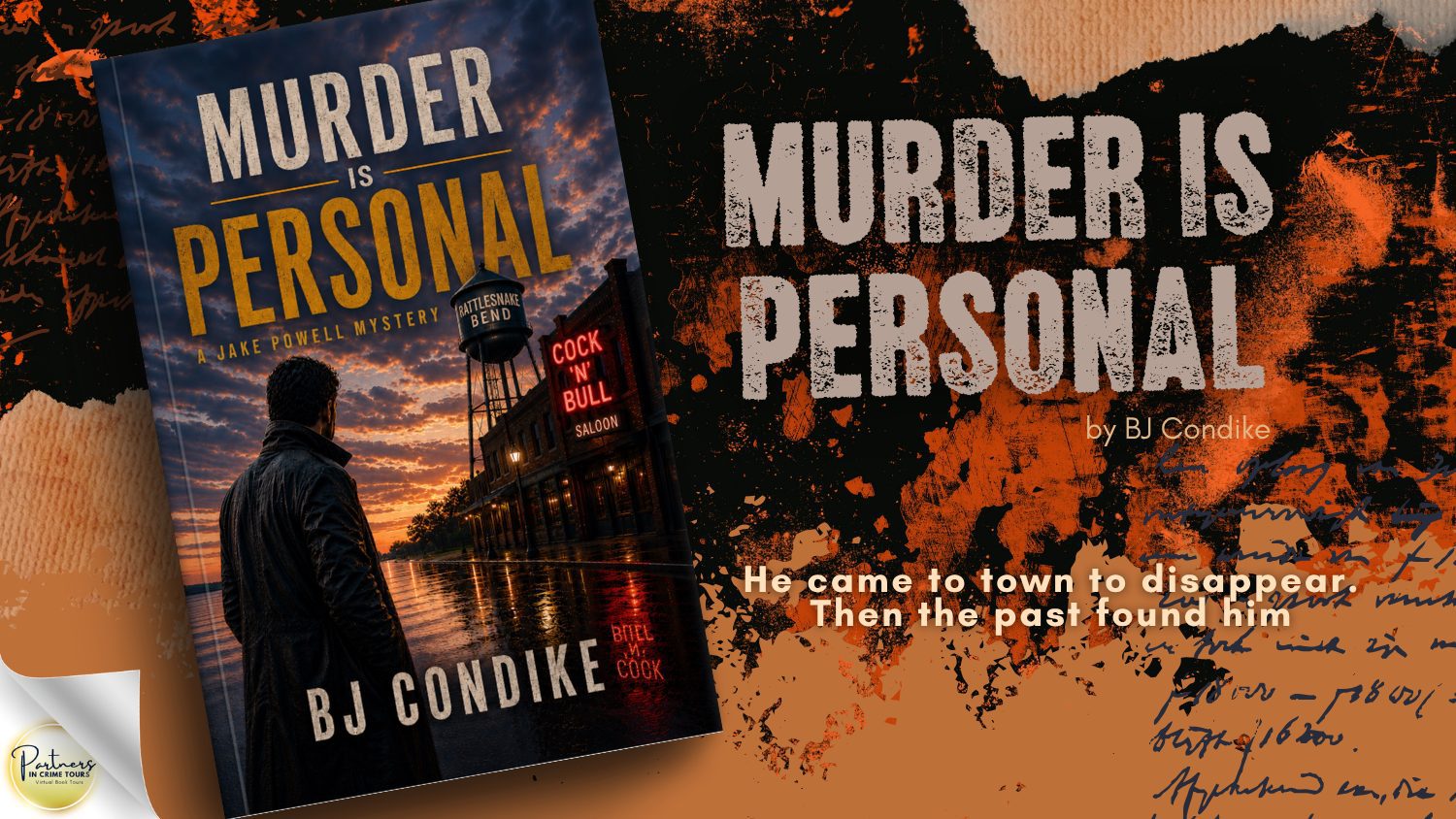
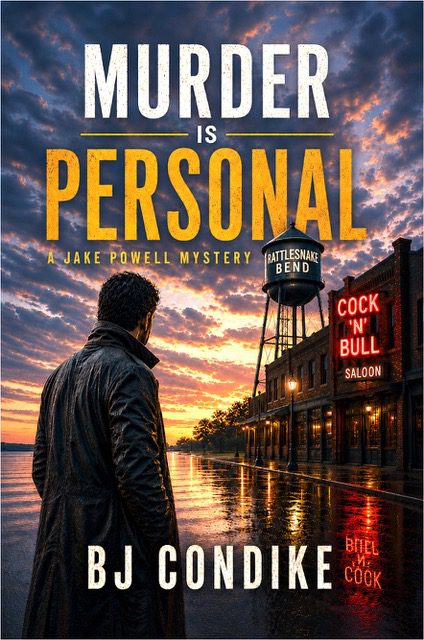
Jake Powell came to Rattlesnake Bend to disappear.
The dying North Texas lake town was the perfect place to outrun his past: no questions, no connections, no reminders of the life he left behind in Massachusetts. He kept his head down, worked for a local woodworker, drank beer at the Cock 'N' Bull, and tried not to think about April Hunter-the woman he abandoned without explanation years ago.
Then April shows up in town wearing a yellow rain coat.
Twelve hours later, she's dead.
With the sheriff convinced he's guilty, Jake starts digging for answers on his own. What begins as a murder investigation spirals into a maze of family secrets, corporate corruption, anonymous threats, and lies buried for decades. The deeper Jake digs, the closer he gets to exposing his own dark secret - plus one more that could destroy him.
Praise for Murder is Personal:
"This fast-paced mystery/thriller where Jake Powell, an amateur sleuth, finds himself the prime suspect in the murder of his ex-girlfriend will keep you turning the pages... Condike’s snappy and sassy dialog made me laugh out loud. His impeccable writing kept me glued to the page. This is one book you won’t want to miss if you like a hard-boiled character like Robert B. Parker’s Spenser or Mike Hammer’s Mickey Spillane." ~ ML Condike, Author
"BJ Condike has written a brilliant mystery novel featuring a fascinating main character, Jake Powell, whose sarcastic wit keeps the reader captivated through action-packed plot twists. I enjoyed this page-turner and can't wait to read the next of BJ's novels in the Jake Powell series." ~ VL Calder
"Totally enjoyed it! From the rugged contemporary West to the polished, secretive East Coast, Murder is Personal plunges readers into a world where danger hides behind almost every new face. When likable, snarky drifter Jake stumbles upon a murder, his troubled past—and more than a few secrets of his own—force him into an investigation that grows more dangerous with every clue. Packed with sharp humor, memorable characters, and suspense that builds to the final chapter. I look forward to Jake’s next adventure!" ~ Ernest Disney-Britton
"This book had me at the end of my seat until the surprising ending on the last page. The writing is impeccable, colorful, and witty in a style reminiscent of Nelson de Mille’s John Corey character. You’ll appreciate the dark humor of Murder is Personal and like me, look forward to its sequel, presently in the works." ~ Joanna Brady
"Murder is Personal is such an enjoyable ride! ... Jake Powell is a great three-dimensional character: flawed but good-hearted, searching for insight into himself, mistake-oriented but willing to do what it takes to make things right. My favorite kind of protagonist. The dialogue is snappy and clever. The secondary characters are well-developed and interesting. And the plot and pacing kept me turning pages long after I'd planned to stop for the night. I'm looking forward to the next in the series!" ~ Lori Herbst
MURDER IS PERSONAL Trailer:
Book Details:
Genre: Mystery, Thriller Published by: Big Pine Press Publication Date: September 15, 2026 Number of Pages: 347 pages ISBN: 979-8996292103 Book Links:Amazon | Kindle | Goodreads | BookBub
Read an excerpt:
Chapter 1
I’ll take blame for some of it. A lot of it, maybe. But part of it was simply bad karma, or bad juju, or just bad luck.
Like how I found myself in Rattlesnake Bend.
It had been the perfect hiding place, a backwater Texas town south of Fort Worth and north of Waco. In short, nowhere.
Everything was fine until that one odd thing happened. But odd things happen in threes.
The first one was working in Red Cloud’s woodshop on my day off. Red wanted to spend his Tuesday catching stripers on Serpent Lake. I had nothing going on, so I said yes. The second was an all-day drizzle, a rarity for North Texas. That was another reason Red wanted to fish that day. He said the weather would improve the bite. The third strolled into our shop wearing yellow.
I didn’t recognize the raincoat she wore but knew the face. My ex-girlfriend April Hunter. She was a long way from Massachusetts. And she shouldn’t have been there.
But there she was in the viewing window, her L.L. Bean slicker as out of place in our store as a peacock in a chicken coop.
My hands shook as I avoided sawing off my fingers. Steeling myself, I braced for a different kind of pain. April and I had been together for ten years, but that was a long while ago. Our reunion was bound to be awkward, or worse, volatile.
April tucked wayward strands of blond hair behind her ear. Her face wrinkled in puzzlement, then morphed into surprise. She gestured toward the workshop door.
I raised a finger in a “one-minute” mime and shut down the machines. The motors faded from a whine to a whisper to dead silence. My gut tensed as if expecting a punch.
I entered the retail area. She stood perfectly still, posed like a cigar store Indian in Birkenstocks and jeans, head cocked, one eyebrow raised.
“Well, if it isn’t Jake X. Powell,” she said. Just two old friends in a chance meeting. But it was more than that.
“April?” My voice cracked in three places.
My middle initial is subject to change, like the “x” in a math equation. That day it was an S as in Jake S. Powell—the S was for “Suave.”
I cleared my throat and spoke an octave lower. “What are you doing here, two thousand miles from home? Still combatting corporate America? Saving the gay whales?”
She grimaced. “I’m still writing, if that’s what you’re asking.”
April was a freelance reporter in Boston. She’d been the local incarnation of Lois Lane when we lived in Rollstone, an aging factory town an hour outside the city. Her passion for reporting bordered on obsession.
One day I left a note and took off in my Chevy van. I couldn’t tell her why. She’d never believe me. And never forgive me.
Eventually I landed on the Texas prairie, melting into the landscape. Until now.
“So what’s the Ghost Queen doing here?”
“Ghost? You’re accusing me of ghosting you?”
“April, you’re the only person I’ve ever known to ghost someone they’re living with.”
I must have raised my voice, because a customer tricked out as a Kardashian cowgirl glanced in our direction. The twenty-something brunette continued to browse but stayed within earshot.
This was the reunion I had long yearned for, yet also feared. I had rehearsed it a thousand times. But her sudden appearance had rattled me. And I was blowing it.
April bobbed her head from side to side. “Maybe I do owe you an explanation, but…” She paused. “You owe me one too. You skipped town and all you left was a ten-word note.” She stepped closer. “Three years—” She poked my chest with a fingernail. “—and not one call.” The blood-red nail stung like a hornet. “Not one text.” Poke. “Not even a postcard.” Poke. “And your cell. Stopped. Working.” Poke. Poke. Poke. “You mean to tell me you’ve been here the whole time?” Her tone said it was inconceivable anyone would want to visit the tiny town of Rattlesnake Bend, let alone live there.
“I’ve been lots of places. This is just the most recent stop on my magical mystery tour.” The music and lyrics sprang unbidden in my head. I almost started singing.
“Unbelievable!” She said, her smile gone. “I mean, what the hell, Jake. You disappeared! Even your aunt didn’t know where you went.”
I shrugged.
“Why, Jake? You never gave me a reason.”
I shook my head, offering no explanation. Whatever I said would have been a lie, even if it was better than the truth.
Her shoulders sagged and she looked down. “You left right about …you know my dad died, right?”
I nodded. Yeah, I knew.
I never meant to harm anyone. Only one person knows what happened, but she’ll never tell.
And now my three-year disappearing act had been wasted. The one person I had strived to avoid had found me, was standing in front of me. And the right words wouldn’t come. Maybe there weren’t any right words.
I closed my eyes and inhaled. The familiar scent of patchouli-laced perfume held hints of rain, mesquite, and prickly pear. Waves of memories flooded in but ebbed away on a tide of regret. I couldn’t get involved with her again. The old Jake had loved her, but the new Jake was with Carlota.
Our eyes met, and I exhaled.
The brunette cowgirl no longer hid her interest and openly stared. She hovered over Red’s most expensive pieces, jewelry boxes inlaid with turquoise and pipestone. The fringe on her western costume swayed with every movement. Our cashier Rosie squinted at me from the register. She’d give me hell later for distracting a customer.
I pulled April behind a display of Texas-shaped cutting boards and dropped my voice. “I can’t explain. I just had to leave.”
She rested her hand on my chest. My six-two frame dwarfed her by a foot. “Can’t we go somewhere and talk?” she whispered. “Please?”
I must have been overtired because I relented. “Sure. Why not? The store closes in an hour. Let’s meet at the Cock ’N’ Bull.” I pointed in the pub’s direction. “It’s around the corner. Six o’clock.”
“Um, I can’t meet you at six. I have a—a thing first. Can we get together later? Say, nine?”
I sighed. “What is it this time? Save the horny toads?”
“No! I have a reason for being in this one-horse town.”
“Prairie chickens?”
“Stop it, Jake! I didn’t come here looking for you. I was only killing time before my appointment and there you were.” She paused and bit her lower lip, a sure sign her mental gears were turning. “You know, I don’t know the area. Maybe you could come with me…”
“Hmm. Who is this appointment with? And where?”
“Some anonymous tipster. We’re supposed to meet at a place called Castro Park.”
“That’s on the lake. Why would you want me there—to be, like, a bodyguard?”
She responded with a sheepish smile and a small shrug that asked, “Pretty please?” better than mere words could express.
There were two reasons to refuse. One of them was Carlota, and I couldn’t mention the other. Besides, April was a professional journalist. She’d done things like that a thousand times. She never needed me before; she didn’t need me then. I could just imagine Carlota’s eruption if she knew I was skulking about at night with my ex.
“I don’t think so, April. I’ll meet you later, but you’ll have to make your cloak-and-dagger rendezvous on your own.”
“Yeah, right. Thanks for nothing, Jake.”
“So, will I see you?”
“Maybe. I guess.” She said it without conviction.
We exchanged cell numbers, and she left the store wearing an annoyed expression. She raised the hood of her raincoat against the dampness and didn’t look back.
That was the last time I saw her alive.
***
Excerpt from Murder is Personal by BJ Condike. Copyright 2026 by BJ Condike. Reproduced with permission from BJ Condike. All rights reserved.
Author Bio:
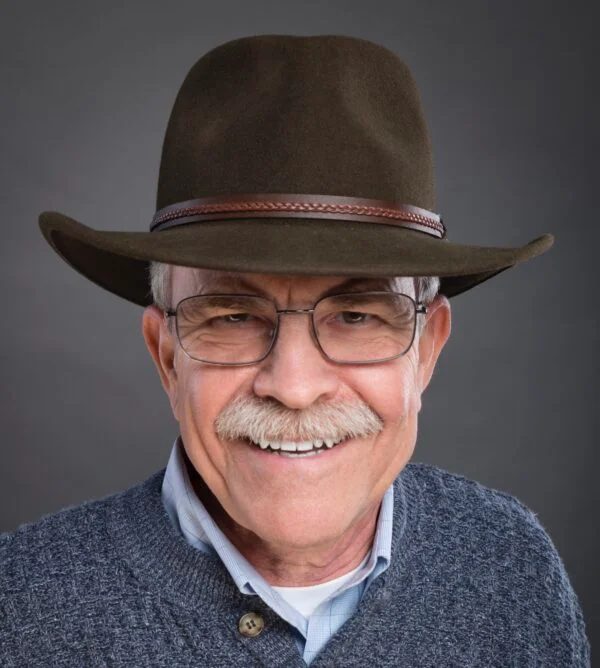
BJ Condike learned his writing craft at SMU in Dallas, and has won numerous local and regional short story contests. BJ’s stories have appeared in several anthologies published by Granbury Writers’ Bloc, the North Dallas Chapter of Sisters in Crime, and Key West Writers Guild where he serves as vice president. He is active in several writing clubs in Texas and Florida, and is currently marketing his debut novel Murder is Personal. In his spare time he plies the waters of the Florida Keys in his fishing boat Sea-Quel with his wife ML and their Welsh corgi Sophie.
A hidden Nazi fortune. A disgraced Bletchley clerk. A mission no trained
agent could survive.
In the ruins of post-war Europe, Sophie Faulkner only wants the past to leave
her alone.
Once a gifted German-speaking clerk at Bletchley Park, Sophie’s life was
destroyed when British intelligence uncovered the truth she had tried to bury:
she was born Sophie von Adler, daughter of a wealthy Nazi industrialist.
Interrogated, imprisoned, disgraced, and abandoned, she has survived the war
with nothing but a ruined reputation and a talent for keeping secrets.
Then MI5 offers her a way back.
Her father’s hidden fortune lies in a Zurich bank account —
millions in Swiss francs and bearer bonds intended to finance the escape of
senior Nazis fleeing Allied justice. To reach it, Sophie must become the woman
Europe’s most dangerous men expect to see: the cold, entitled heiress of
a dead Reich loyalist.
But the money is only bait.
Drawn into a shadow war between British intelligence, American pragmatists,
Vatican fixers, Swiss bankers, Soviet agents, and the remnants of the SS,
Sophie finds herself trapped inside the very network she was sent to expose.
Every alliance is temporary. Every identity is a weapon. And if the men around
her discover where her loyalties truly lie, she will not live long enough to
choose her own future.
About the Author
Award-winning historical fiction from the World Wars to the Cold War.
Malcolm has spent a lifetime gathering stories, living and working in
Australia and the Middle East before returning to the UK. Today, he weaves
that global experience into gripping historical novels that explore the
intersection of crime, war, and espionage.
The Manchester Noir Series: Gritty 1990s crime with a unique twist (The Honey
Talker, The Fatal Formula).
The Aviation Collection: High-octane tales of courage and dogfights in WWI
and WWII (LMF, The Way Back, Leviathan).
The Lisbon Series : Follow ex-cop Dinis Lopes through the treacherous,
"neutral" streets of 1940s Portugal.
Cold War Espionage: Revisit the 1950s with the fast-paced adventures of
Contrail and Czechmate.
When he isn’t uncovering the secrets of the 20th century, Malcolm lives
and writes in Cheshire, England.
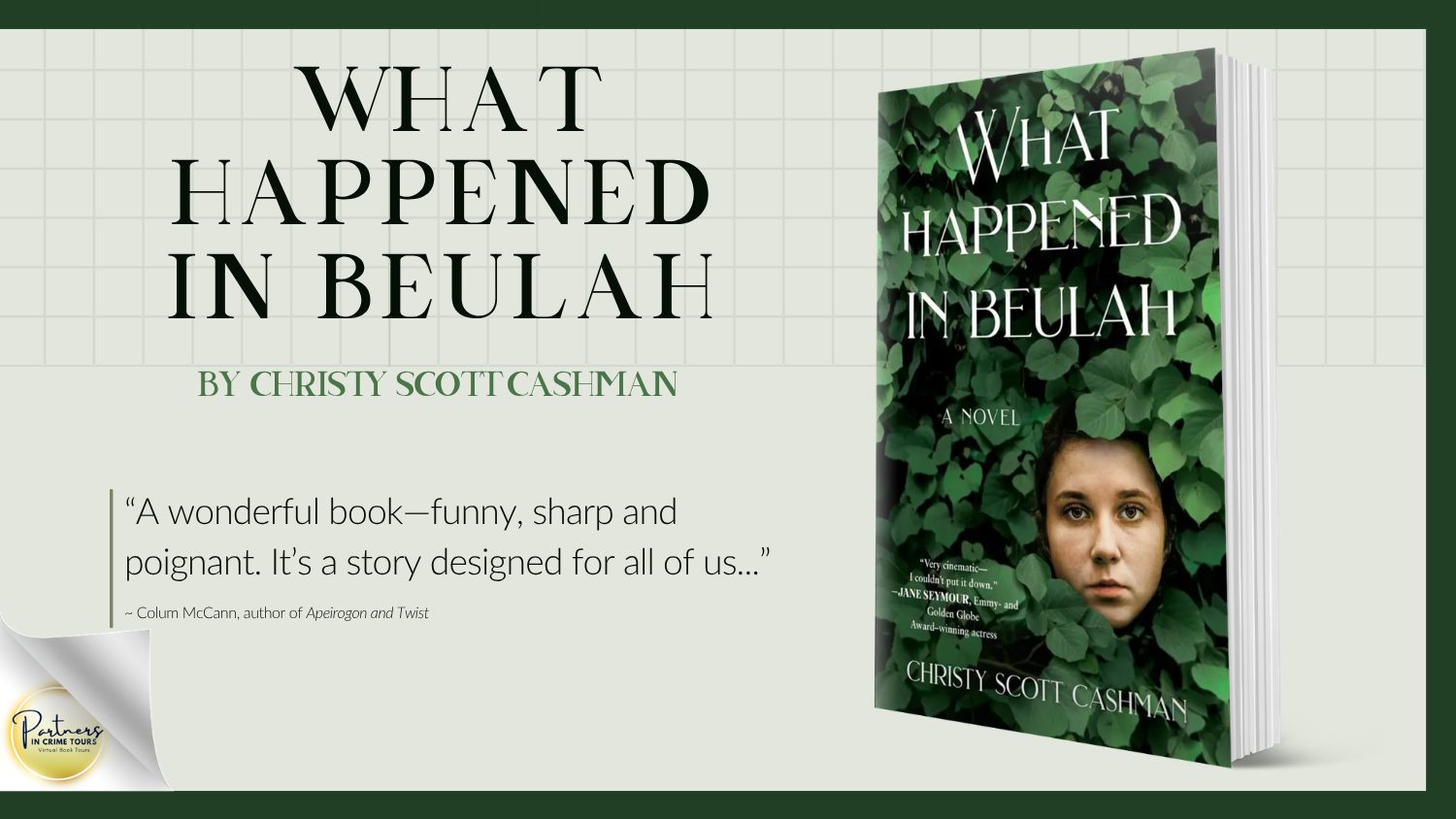
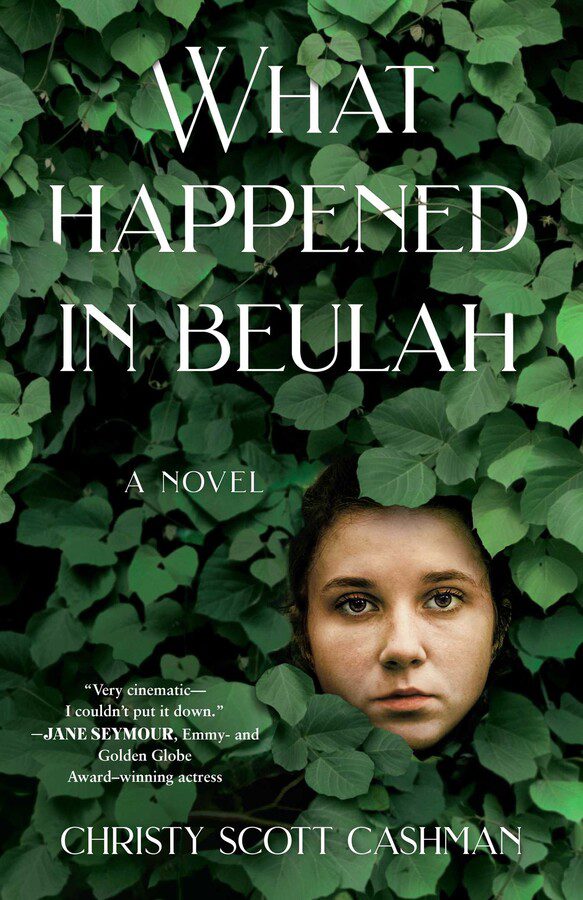
A teenage girl uncovers the dark secrets of her Smoky Mountain town while searching for a missing classmate in this gripping coming-of-age mystery perfect for fans of Where the Crawdads Sing.
Nestled in the foothills of the Smoky Mountains, Beulah has always seemed steady—rooted in tradition, shaped by generations, and slow to change. But in 1986, the ground has shifted, and no one feels that more than fifteen-year-old Barrett Childress Owens. Between her parents’ unraveling marriage and a school full of kids she can’t connect with, she feels invisible in her own hometown.
When Lacy Gunderson, the captivating new girl everyone is curious about, suddenly vanishes, the town’s calm surface fractures. Search parties comb the woods. A police investigation begins. Rumors multiply. Families close ranks. And Barrett begins to sense how much the adults around her choose not to say. As Beulah clings to its usual rituals—including the annual Miss Kudzu pageant, which has shaped local girlhood for decades—Barrett is forced to navigate a community where loss lingers in the air and secrets are carefully kept. Her journey through the uncertainty reshapes her understanding of friendships, family, and the complex place she calls home.
A rich coming-of-age story with a pulse of mystery and a budding romance, What Happened in Beulah explores the fault lines of a small town and the courage it takes to face the truths people would rather bury.
Praise for What Happened in Beluah:
"What Happened in Beluah is a wonderful book—funny, sharp and poignant. It's a story designed for all of us, of all ages, all wisdoms. It points to the necessity of recovery. It's a novel of ghosts present and ghosts past, with alcoholics and dreamers and preachers and small town grifters all coming together in one place—the everywhere of guilt and consequence, the kudzu of our lives." ~ Colum McCann, author of Apeirogon and Twist
"What Happened in Beulah cannot but remind us of what Hemingway said: ‘There is no friend as loyal as a book.’ Here, page after page, Christy Scott Cashman succeeds in making the reader hang onto the story as the drama on Beulah’s seemingly calm surface ruptures like a scene of serene rain that suddenly modulates into a rumbling thunderstorm. I'm sure the book will be a loyal friend to many readers." ~ Patrick Kabanda, author of The Creative Wealth of Nations
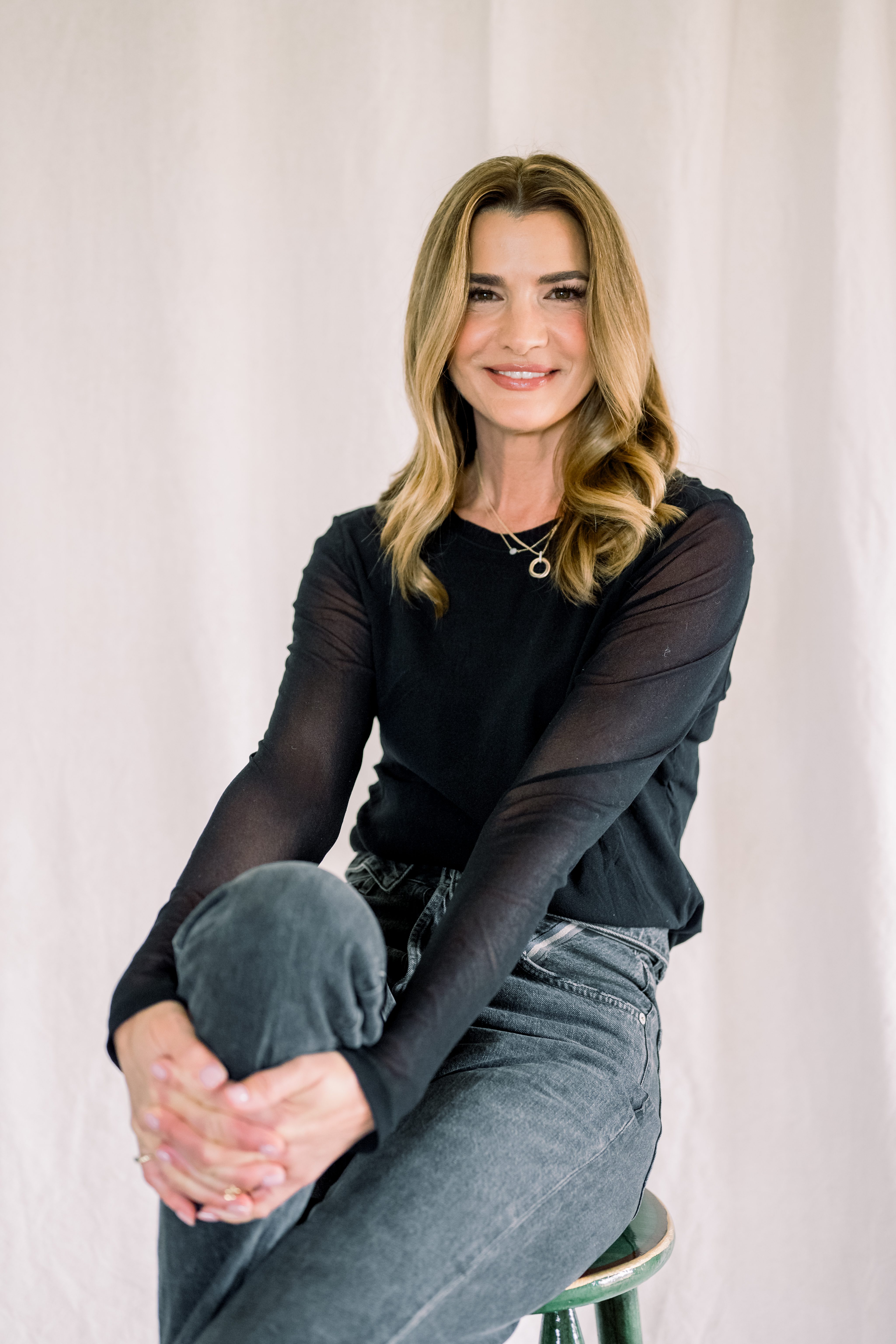
Christy Scott Cashman is a best-selling and award-winning author with multiple national honors. A writer, actress, and producer, she has decades of storytelling experience across film, literature, and the arts. Christy is the founder of YouthINK, a creative arts foundation empowering young people through imagination and expression, and serves on the Board of the Associates of the Boston Public Library. Christy divides her time between Boston, Massachusetts, Martha’s Vineyard, and Philadelphia, Pennsylvania, where she enjoys family life with three dogs and four horses.
This giveaway is hosted by Partners in Crime Tours for What Happened in Beulah by Christy Scott Cashman. See the widget for entry terms and conditions. Void where prohibited.
After a career-threatening injury, professional baseball star Cody Lucas retreats to a quiet mountain town to recover—and escape the spotlight.
The last thing he expects to find is Tillie Hooper.
The hardworking diner owner has long since given up on happily-ever-afters, but there's something about the charming stranger who keeps showing up with a smile and an excuse to stay a little longer.
As sparks fly, both keep their secrets close. Tillie doesn't know Cody is one of the biggest names in baseball, and Cody has no idea she's a single mom with a son who means everything to her.
But in a town where everyone knows everyone, secrets can't stay hidden forever—and when the truth comes out, they'll have to decide if what they have is worth the risk.
A suspicious death rattles a quaint Cape Cod seaside village and the
discovery of a long-buried secret leaves a prominent local family questioning
their legacy.
Cassie Mitchell is juggling the responsibilities of new motherhood and the
drama surrounding her sister’s return to Whale Rock while welcoming
another tenant to the carriage house. Adding to her worries are the recently
discovered letters revealing a stunning confession. Could one of her seven
baby brothers, who supposedly died at childbirth, have survived?
Cassie begins unraveling this new family mystery with guidance from the
ever-present spirits of her ancestors, the original residents of The Bluffs.
However, the fog of pregnancy brain is impeding her deciphering of their
messages.
Cassie’s husband, former FBI agent Daniel Benjamin, surprises her with
an au pair to help with the baby. But there’s something unnerving about
Abbigail Grant, and soon after her arrival, the community is shaken when a
body is found sprawled on the rocks near The Bluffs. With the case ruled a
homicide, Cassie becomes entangled in the investigation and butting heads with
Chief Brooks Kincaid, who is under pressure to solve the case before tourist
season begins. A prominent politician appears on the scene, with questions
arising over his connection to the victim. And why has the mysterious new
owner of the Red Herring estate been nosing around suspiciously?
Can this murder be solved in time to save the summer season? Will Cassie
determine if her brother survived? And if he did, will it be a blessing or
another curse on the Mitchell family?
“LEGACY OF THE BLUFFS…a story about murder, family secrets,
and the complicated inheritance passed from one generation to the
next.”—Literary Global 5 STAR GOLD BOOK AWARD
About the Author
An award-winning author of fiction, Loretta Marion’s writing bridges the
genres of mystery, suspense and women’s fiction, always with hints of
romance and humor, sometimes delving into the psychological and paranormal.
She creates strong but flawed characters as appealing as the rich atmospheric
settings in which the stories take place.
A true bibliophile, she has loved reading and creating with words since she
was a young girl. That affection for the written word followed her like a
shadow throughout her life, but her passion for writing fiction evolved from
the unlikely world of hospice. As a volunteer, she established a Legacy Story
program to honor and preserve the rich heritage of the fascinating people who
were soon to leave this world. The meaningful experience inspired her to
create her own interesting characters and stories.
Though born and raised in the Midwest, Loretta fell in love with New England
and has made it the setting for much of her writing. When not whipping out
words on her laptop, she is traveling, enjoying outdoor pursuits, or is curled
up with a delicious new book.
Loretta lives in Rhode Island with her husband, Geoffrey, and their devoted
Mr. Micawber, a sweet and amusing German Shepherd Corgi cross
This post is part of a virtual book tour organized by Goddess Fish Promotions. Jon Ketzner will be awarding a $25 Amazon/BN gift card to a randomly drawn winner. Click on the tour banner to see the other stops on the tour.
On the eve of President John F. Kennedy's final trip to Dallas, an irreverent narrator from the Ether begins to reveal the hidden chain of events that history never recorded. Spanning decades and weaving together Hollywood legends, political dynasties, secret affairs, and forgotten tragedies, Coincidence imagines how seemingly unrelated lives become entangled in the most infamous assassination of the twentieth century. From Joseph P. Kennedy and Gloria Swanson to Jackie Kennedy, Mary Pinchot Meyer, and the young Lee Harvey Oswald, every choice, passion, and betrayal sends ripples through time. Behind every headline lies another story, and every story hides a secret long buried. As the strands converge on November 22, 1963, the line between fate and accident begins to blur. Rich in historical detail and provocative speculation, Coincidence asks: was it really coincidence at all?
Read an Excerpt
Jackie rarely consulted him about her clothing. Her sense of style, if not her sense of humor, was notorious.
“The pink.”
She seemed surprised. “Why the pink?”
“Texas. All those tired cowgirls raising their brat kids to be Miss America. They adore pink in Texas.”
The First Lady eyed the pink at arm’s length. She shrugged. “Okay. The pink.”
“But the hat,” POTUS said, “could you do without the hat. I hate those things.”
Jackie shook her head.
“I’ll need the hat. Without the bubble top on, my hair would be a mess.”
The president leaned back against the pillows on his rock-hard bed, supine in his boxers and the argyles Bobby had given him which bore the presidential seal. He grinned.
“Remember the times when we would drift down the Potomac, standing by the rail, the wind blowing wildly through your hair, and there on the river in the middle of the city you would sink sexily to your knees…”
“Drop dead, Mr. President.” Words Jackie would soon want back.
The door to Suite 850 opened and George Lapp entered to help The President dress. He nodded at Jackie. He had seen her naked many times and was indifferent to the marital scenario into which he had strolled. Jackie smiled curtly and sidled toward her own room to don the pink Chanel, including its matching hat.
Before she left, the President grinned and said to his valet. “I might need the back brace today, George, had a strenuous night.”
About the Author: Jon Ketzner was born in Cumberland, Maryland in the lovely Appalachian foothills. He grew up in Baltimore then graduated from Towson University with a degree in mathematics and went on to a long career as a consulting actuary. For many years, Jon and his family lived in Bryn Mawr, Pennsylvania before moving back to Cumberland in 1990.
As a recovering actuary and inspired by the Maryland Writers Association’s “Notable Authors” monthly challenges, Jon decided to try his hand at writing and give his left-brain side a rest. He cites as influences: Henry Fielding, Joseph Heller, Gregory McDonald, and Tim Dorsey.
"Coincidence" is centered around the assassination of President John F. Kennedy, so much of the action takes place in the milieu of the highest ranks of society...cultural and political...of the late fifties and early sixties. It is an historiographic metafiction novel so the narrative is an entwined mixture of history and fiction with an all-knowing narrator controlling the story telling.While the bulk of the action takes place in the five years before the assassination in 1963, there are also flashback expository chapters that help underpin the narrative,
The real life characters in this saga....JFK,LBJ, Jackie, Marilyn Monroe, Mary Pinchot Meyer, Onassis, Oswald...were extraordinarily vital, funny, brilliant, frisky human beings. And young. Their actual lives and interactions with one another were almost beyond belief...their stories like episodes of an overwrought soap opera. They were amazingly charismatic...as was the era. The Cold War was at its coldest, the Sixties were getting ready to explode into the cultural chaos of Civil Rights, ant-war, women's liberation and gay rights. This period was the last days before the poop hit the fan...ignited by the assassination.
The physical settings of the narrative are the monied playgrounds of America and Europe. The protagonists are mostly well-known and flawed. The villains are mostly well-known and somewhat cartoonish. The zig-zagging between characters and time eras is kept in context by the narrator, a device I like to think I borrowed from E. L. Doctorow's "Ragtime." The story is a "Madmen" meet "The West Wing" mashup with real people. It was fun to write and I hope it is a fun read.





.png)


.png)

.png)



.png)
.png)
.png)
.png)


